Official Coupons vs Fake Coupon Sites: How to Tell Them Apart
Learn how to spot the difference between official coupons and fake coupon sites so you save money safely without risking your data or wallet.
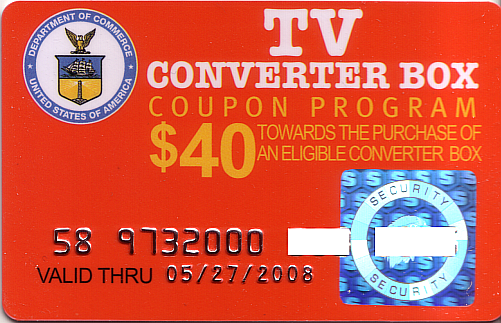
Coupons have always been a legitimate way for manufacturers and retailers to reward loyal shoppers and attract new ones. But the internet has made it easy for bad actors to mimic the look and feel of real coupon programs, tricking consumers into handing over personal information, clicking malicious links, or simply wasting their time on codes that will never work at the checkout. Knowing how to tell a genuine coupon offer from a counterfeit one is a practical skill that protects both your finances and your personal data.
Why Fake Coupon Sites Exist
Before diving into identification tactics, it helps to understand the motivation behind fake coupon operations. Fraudulent sites are rarely built just to give shoppers a bad experience at the register. More often, the real goal is one of the following:
- Data harvesting: Collecting your email address, phone number, or even payment details under the pretense of 'unlocking' a discount.
- Affiliate fraud: Generating fraudulent clicks and commission payments through networks that track referral traffic.
- Malware distribution: Prompting you to download a browser extension or file that installs tracking software on your device.
- Ad revenue: Keeping you on a page filled with ads long enough to generate impressions, regardless of whether the coupon is real.
Recognizing these motivations makes it easier to spot the warning signs, because every tactic a fake site uses traces back to one of these goals.
Where Official Coupons Actually Come From
Genuine discount offers originate from a small set of trusted sources. Understanding those sources is the foundation of coupon literacy.
Directly from the Manufacturer or Retailer
The most reliable coupons are distributed through the brand's own channels: the official website, a registered loyalty account, a printed insert in packaging, or a verified email newsletter you signed up for on the brand's own domain. When a retailer or manufacturer issues a digital coupon, it is typically tied to an account, a specific product, or a limited redemption window that the brand controls end to end.
Official Coupon Aggregator Partnerships
Some brands partner with established coupon platforms to distribute offers more widely. In these cases, the aggregator receives codes or printable coupons directly from the brand and is authorized to display them. The key word is 'authorized.' A legitimate aggregator can usually point to a clear relationship with the brand, and the codes they list will actually work because they were issued through the brand's own system.
In-Store and Loyalty Programs
Many retailers issue coupons through their own apps or loyalty card systems. These are trackable, personalized, and tied to your account, which makes them easy to verify and nearly impossible to counterfeit at scale.

Red Flags That Signal a Fake Coupon Site
Now for the practical part. The following signals, especially when several appear together, strongly suggest a site is not a legitimate source of coupons.
The Discount Seems Implausibly Large
Legitimate promotional discounts exist on a spectrum. A 10 to 30 percent reduction is common. A free full-price item with no strings attached from an unofficial source is almost never real. When a coupon promises something that seems wildly out of line with typical promotions, treat it as a warning sign rather than a lucky find.
You Are Asked for Sensitive Information to 'Claim' the Coupon
Real coupons do not require your credit card number, your social security details, or extensive personal surveys before you can access a discount code. If a site asks for this kind of information as a precondition of seeing the coupon, stop immediately. Legitimate programs may ask for an email address to send a code, but they will not demand financial data just to reveal a discount.
The URL Does Not Match the Brand
Fake coupon pages often use domain names that look like a brand's name but include extra words, hyphens, or unusual extensions. A coupon that claims to be from a well-known retailer should appear on that retailer's actual domain or on a platform the retailer explicitly promotes. If the URL looks even slightly off, navigate directly to the retailer's official website and search for promotions there instead.
No Expiration Date or Terms and Conditions
Official coupons always come with terms: an expiration date, eligible products, a maximum discount value, and sometimes a minimum purchase threshold. A coupon page that displays none of these details has probably not been issued by anyone with real authority to offer a discount.
The Site Pressures You With Artificial Urgency
Countdown timers that reset every time you visit, warnings that 'only 2 coupons remain,' and pop-ups urging you to act in the next 60 seconds are classic manipulation tools. Real promotional programs manage inventory and redemption limits on the back end. They do not need to manufacture fake scarcity to keep you engaged.
The Code Simply Does Not Work
This is the most basic test, and it is available to you at no cost. If you find a code on an unofficial site, go to the retailer's checkout and try it. If it fails, the code was never valid. The troubling part is that some shoppers go back to the fake site looking for a 'fix,' which is exactly the outcome the site operator wants.
For a broader look at how these tactics overlap with other kinds of online product scams, our guide on how to recognize a free product scam before you click covers many of the same red flags in a different context.
How to Verify a Coupon Before You Use It
Start at the Source
The simplest habit you can build is to always check the brand's official website or app before searching anywhere else. Most manufacturers and large retailers publish their current promotions in a clearly labeled 'offers,' 'deals,' or 'coupons' section. If the coupon you found elsewhere is real, it will almost certainly appear there too.
Check Your Loyalty Account
If you have an account with the retailer, log in and look at your personalized offers. Retailers increasingly push discounts through loyalty programs rather than publicly listed codes, precisely because account-linked coupons are harder to abuse and easier to track.
Search for the Retailer's Official Coupon Policy
Many retailers publish a coupon policy that describes which sources they accept and which they do not. This policy will tell you whether the retailer honors codes from third-party sites at all, which can save you a frustrating moment at the checkout.
Use Established, Reputable Platforms
If you prefer to use an aggregator, stick to platforms that have a documented history, clear contact information, and transparent relationships with the brands they feature. Be cautious of newer or unfamiliar sites that have appeared recently with no track record.

Protecting Your Personal Information
Even if a coupon turns out to be fake, the greater risk is often the data you surrendered to get it. A few protective habits go a long way:
- Use a secondary email address specifically for promotional sign-ups so that your primary inbox and accounts stay separate.
- Never enter payment information on a site that is not the official retailer's secure checkout page.
- If a browser extension is required to 'activate' a coupon, research it carefully before installing. Many coupon extensions are legitimate, but some are designed to monitor your browsing activity.
- If you suspect you have submitted information to a fraudulent site, change any shared passwords immediately and monitor your accounts for unusual activity.
The Bigger Picture: Official Programs and Consumer Trust
Coupons, when issued through legitimate channels, are a genuine consumer benefit. Manufacturers use them to introduce new products, reward repeat buyers, and gather feedback, similar to the way official free trial and review programs are designed to build authentic relationships with shoppers. Fake coupon sites undermine that trust and make consumers more skeptical of real offers.
By developing a habit of verifying offers at the source, reading terms carefully, and treating implausible discounts with healthy skepticism, you protect yourself and also help maintain the integrity of promotional programs that genuinely benefit consumers.
A Quick Reference Checklist
Before acting on any coupon you find online, run through these questions:
- Does the discount come from the brand's own website, app, or verified email?
- Is there a clear expiration date and a list of terms?
- Does the URL match the official retailer's domain or a platform the retailer publicly endorses?
- Are you being asked for sensitive personal or financial information just to see the code?
- Does the discount level match what this retailer typically offers?
- Have you tried the code at checkout before investing more time?
If the answers raise doubts, the safest move is to go directly to the retailer's website and look for promotions there. A real deal will still be waiting for you. A fake one was never worth your time to begin with.
Zamvex Editorial Team
Program details verified against the retailer's official help pages.








_02.jpg)
