How Product Testing Programs for Beauty Products Work: A Practical Guide
Learn how official beauty product testing programs work, who gets selected, what reviewers must do, and how to spot scams in this category.
Beauty product testing programs sit at the intersection of consumer feedback and brand development. Manufacturers and retailers use them to gather honest, real-world data about how a moisturizer feels after two weeks of daily use, whether a mascara actually lasts through a workout, or how a hair serum performs on different textures. For the consumer, these programs offer an opportunity to try new products before purchase, in exchange for a genuine, detailed review. This guide explains the mechanics behind these programs so you can participate effectively and safely.
Why Beauty Brands Run Official Testing Programs
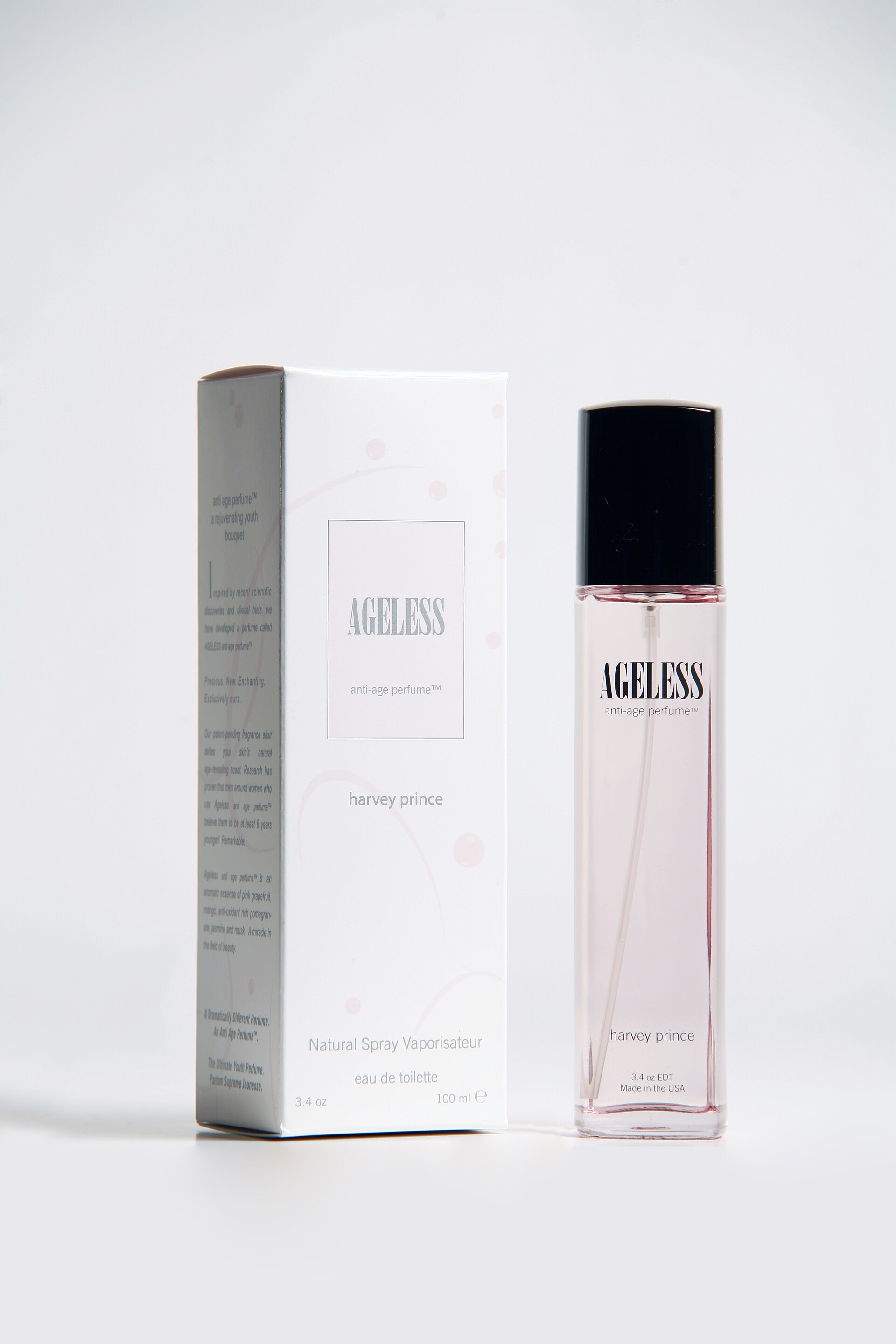
The beauty industry is uniquely personal. A foundation shade that photographs beautifully on one person may look completely different on another. A fragrance that smells floral in the bottle can shift dramatically on different skin chemistry. No laboratory setting fully replicates the variety of real consumers using a product in real conditions. That is why testing programs in this category tend to be especially active and ongoing.
Brands and large retailers gain several things from these programs. They receive authentic user-generated content, meaning reviews written by real people with genuine purchase intent. They also gather qualitative feedback, such as packaging complaints or application tips, that their internal teams may never identify. Additionally, a pool of tested, reviewed products builds the kind of social proof that influences other shoppers at the point of decision.
For the program to work, though, the testers need to be honest. A program that only attracts people hunting for free items produces biased, shallow reviews that help no one. That is why legitimate programs are selective and why they ask for reviews with substance, not just a star rating.
How Applications and Selection Actually Work
Most official beauty testing programs run through a dedicated platform operated by the brand or retailer, or through a third-party panel service that manages testers on behalf of multiple brands. The process typically follows these stages:
Completing a Detailed Profile
Before you can apply for any specific product campaign, you will usually need to build a tester profile. In the beauty category, this is particularly detailed. Programs commonly ask about your skin type, skin tone, hair type, hair concerns, age range, and existing beauty routine. Some programs ask how frequently you purchase beauty products and through which channels. This information is not decoration. It is the matching data that determines whether you are a suitable candidate for a particular product test.
A person with oily, acne-prone skin is the ideal tester for an oil-control primer, not someone with dry skin. A tester with fine, color-treated hair gives more relevant feedback on a bond-repair treatment than someone with thick, natural hair. Completeness and honesty in your profile directly affect whether you are selected for campaigns that are genuinely relevant to you.
The Application Round
When a new product testing campaign opens, eligible testers are usually notified. You may be invited to apply directly, or the program may select testers automatically based on profile matching without a separate application step. Where an application is required, you may be asked to answer a few short questions about your experience with that product type or your current routine. These answers help the program assess whether your feedback will be useful and targeted.
Selection is competitive and entirely at the program owner's discretion. Being a thorough reviewer with a complete profile improves your chances, but there is no guarantee of selection for any given campaign.

Receiving the Product
If selected, the product is sent to you at no cost. Legitimate programs never ask you to pay for the product itself, though some may charge a nominal shipping fee depending on their terms. Read the program terms carefully before accepting a placement. You should also check whether the program requires you to keep the product confidential until your review is submitted, as some campaigns are tied to a product launch timeline.
For more context on how these distribution mechanics work across different product categories, see how legitimate manufacturer sample programs distribute products.
What Reviewers Are Expected to Do
Receiving a beauty product through a testing program is not simply a gift. It is a structured exchange with defined obligations. Understanding these obligations protects your standing in the program and ensures the program remains valuable for everyone involved.
The Testing Period
Most beauty programs specify a minimum testing period before you submit your review. For skincare products, this is often two to four weeks, because real changes in skin texture, tone, or hydration take time to appear. For a lipstick or nail polish, the window may be shorter. Using the product as directed throughout the full testing period is not optional. Reviews based on a single application are not only less useful, they can undermine your eligibility for future campaigns.
Writing the Review
The review is the core deliverable. A useful beauty review covers several dimensions. It should describe the product's texture, scent, and ease of application. It should explain how the product performed against its claims over time. It should mention any side effects or sensitivities, positive or negative. It should note whether the packaging was practical and whether the product was worth the retail price in your opinion.
Reviewers are also typically required to disclose that they received the product through a testing program. This is a legal and ethical standard, not a suggestion. Regulators in many markets require that any material connection between a reviewer and a brand be clearly disclosed in the review itself.
If you want a deeper look at structuring reviews that are genuinely useful and that position you well for future selection, this guide on writing reviews that lead to repeated selection covers the topic in practical detail.
Deadlines and Follow-Up
Programs set submission deadlines. Missing a deadline without communication is typically noted in your reviewer account and can reduce your chances of future selection. Some programs send reminder messages. Others deactivate accounts that consistently miss submission windows. If you are selected and realize you cannot complete the review within the required timeframe, contact the program directly. Most platforms prefer a heads-up over a missed deadline.
Red Flags Specific to the Beauty Testing Space
The beauty category attracts a disproportionate share of fraudulent testing offers because of the high perceived value of skincare and cosmetics products. Knowing what separates a legitimate program from a scam protects both your personal information and your money.
Signs a Beauty Testing Offer Is Not Legitimate
Be cautious if a testing offer arrives through an unsolicited social media message, particularly from an account with few followers or no posting history. Legitimate programs recruit through their own platforms, through newsletters to existing customers, or through established panel services with a public reputation.
Watch for offers that require you to pay a fee to access a list of testing opportunities. Real programs do not charge testers to participate. Similarly, an offer that asks for your bank account details, payment card number, or a PayPal login as part of the application process is not a product testing program. It is an attempt to commit fraud.
Some scams in this space advertise as official programs for recognizable beauty brands. If you are unsure whether an offer is genuine, go directly to the brand's official website and look for any testing or review program listed there. If the program is not referenced on the brand's own channels, treat it with significant skepticism.
Excessive personal data requests are another warning sign. A legitimate beauty testing program needs your address to ship a product and your skin type to match you with the right product. It does not need your social security number, your full date of birth, or your mother's maiden name.
Making the Most of Legitimate Programs
Approaching beauty product testing programs with the right mindset leads to better outcomes. Think of them as a feedback relationship, not a procurement channel. Brands that receive useful, honest reviews are motivated to continue running testing programs and to continue working with reviewers who deliver quality feedback.
Keep a simple testing journal while you use the product. Note your first impressions on day one, any changes you observe during the testing period, and your overall conclusions at the end. This kind of structured observation produces reviews that are specific, credible, and genuinely helpful to other shoppers, which is exactly what programs are looking for in their testers.
Finally, stay organized. Track which programs you have joined, which campaigns you have accepted, and when your review deadlines fall. A straightforward spreadsheet or calendar entry is enough. Consistent, reliable participation builds the kind of track record that increases your visibility within a platform and improves your chances of being considered for future campaigns.
Beauty product testing programs, when run legitimately and participated in honestly, represent a genuine exchange of value. Brands gain the real-world feedback they cannot get in a lab. Consumers gain access to products they can evaluate thoroughly before deciding whether they are worth purchasing. The key is approaching these programs as the professional, structured arrangement they are designed to be.
Zamvex Editorial Team
Program details verified against the retailer's official help pages.






_03.jpg)